Showing 4120 of 11208 items
Admission resolution to the XXXII Postgraduate Training Course for Specialists in applied social research and data analysis 2023-2024 and tuition assistance
  • 12 FEB 2024

Resolution of the Presidency of the Centro de Investigaciones Sociológicas, which makes public the award of admission to the XXXII Postgraduate Training Course for Specialists in applied social research and data analysis 2023-2024, and the award of tuition aid linked to its completion.

Call
Most Spaniards go on vacation for one or two weeks
  • 18 SEP 2023

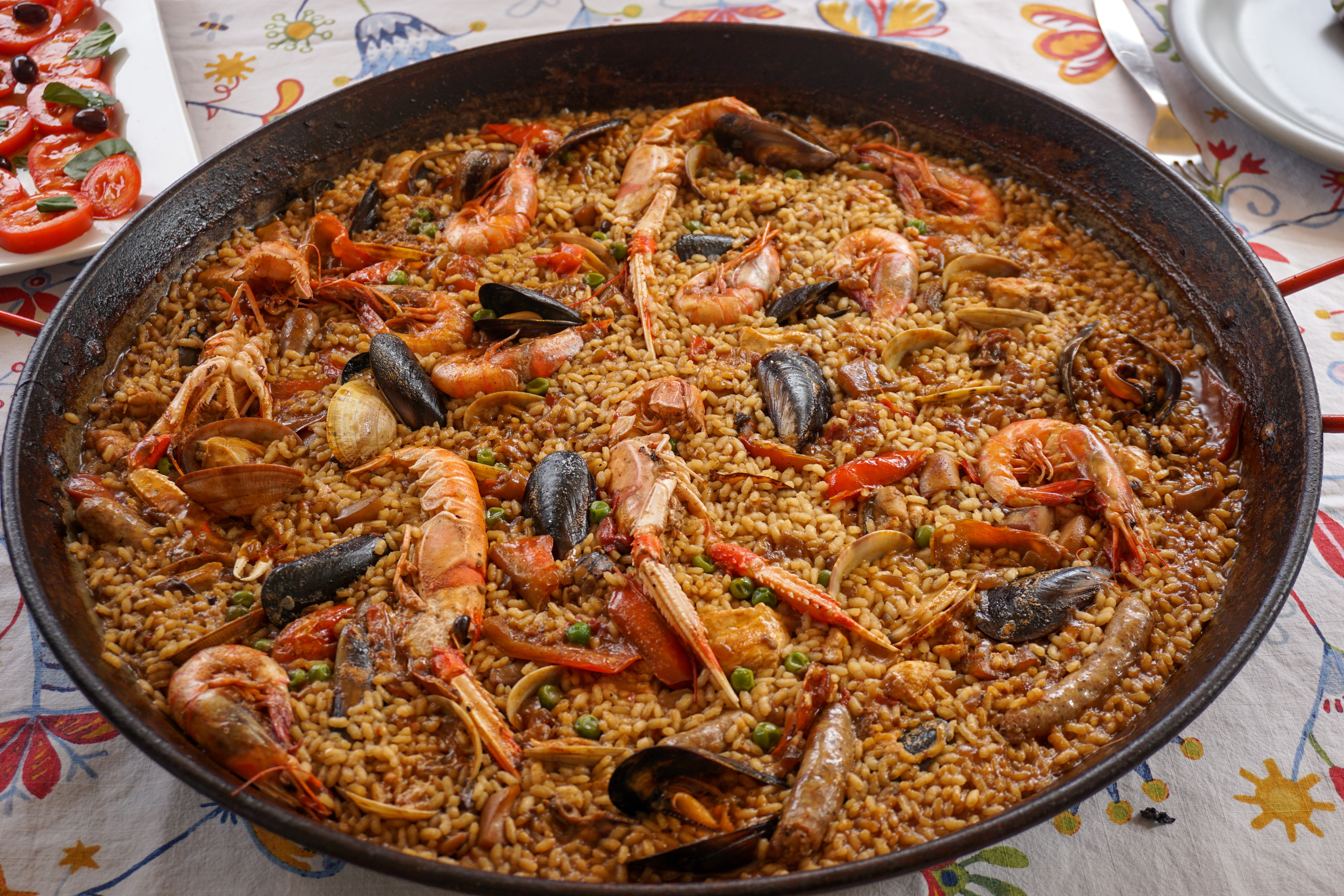
Spaniards prefer sun and beach tourism, followed by cultural tourism and contact with nature. Spanish gastronomy is considered one of the best in the world Paella is seen as the most representative dish Madrid, September 15, 2023. This summer, the CIS has carried out an extensive survey on tourism and gastronomy, in which Spaniards are asked about their vacation habits and their preferences when eating and cooking. The majority usually go on summer vacations for between one and two weeks (32.2%), followed by those who go only one week (26.2%). Sun and beach holidays When going on vacation, the majority use the Internet to organize their days off (61.4%), compared to 14.9% who go to travel agencies. More than half prefer sun and beach tourism (51.5%), followed by cultural tourism (45.9%) and tourism in contact with nature (37.7%). Regarding the type of accommodation when traveling, the preferred option for 45.8% is a hotel or aparthotel, compared to 14.3% who rent a home. 13% go to a second home. When enjoying tourist and gastronomic services, 47.4% say that they take into account the ratings and opinions of other users on social networks and digital platforms. Spanish gastronomy among the best in the world 95.8% of those surveyed consider that Spanish gastronomy is among the three or four best in the world. And when asked what is the best gastronomy in the world: for 95.6% it is Spanish, followed by Italian (72.5%) and French (46.6%). Outings to lunch or dinner in restaurants on vacation 33.3% of those surveyed usually have lunch or dinner in a restaurant more than three times a month, with young people between 25 and 34 years old being the ones who do it the most (51.4%), followed by those who have 18 to 24 (40.5). A third of Spaniards (32.9%) go two or three times a month. Regarding spending per person each time they go to a restaurant, the majority (56.3%) spend between 15 and 30 euros. And 26.3% from 31 to 50 euros. During the holidays there are more lunches or dinners in restaurants. Paella, potato omelette and Iberian ham Paella is considered the “most typical and representative” dish of Spanish gastronomy (71.8%) followed by potato omelette (59.4%), with Iberian ham in third position. (39.3%). However, for the population between 18 and 34 years old, the “most typical and representative” dish is potato omelette, followed by paella and Iberian ham. Undercooked and with onion For 70.4% of those surveyed, the potato omelette should be made with onion, compared to 20.9% who think it should be made without onion. Regarding the discussion of whether it should be “well-cooked or rare”, the option of a rare tortilla wins with 53.9%, compared to 26.9% who prefer it very well-done. Respondents respond almost unanimously regarding the use of olive oil when cooking (98%), ensuring that it is the oil that should preferably be used. 85.8% of Spaniards prefer stews to fried foods (8.9%). The taste for meat or fish is more even, with 44.2% preferring meat compared to 40.8% preferring fish. These and other data are collected in the survey on tourism and gastronomy that was carried out from July 31 to August 11 with a sample of 4,538 interviews.

News
The PP could lose the absolute majority against the BNG and PSOE, which would add up to 51.5% of the vote
  • 12 FEB 2024

The electoral campaign survey for the regional elections in Galicia carried out by the CIS indicates that the PP could lose its absolute majority, obtaining 42.2% of the votes, and between 34 and 38 seats. The BNG rises to 33.4% of the votes and would have between 24 and 31 seats. The PSdeG-PSOE would be in third place with 18.1% of the votes and an estimate of between 9 and 14 seats. SUMAR could obtain representation with 2.8% of the votes. And VOX could obtain a seat with 2.4%. Leaders assessment The BNG candidate, Ana Pontón, is the best rated with a 5.89 followed by Alfonso Rueda who obtains a 5.29. The PSdeG-PSOE candidate, Xosé Ramón Gómez Bestiero, gets a 4.85. Marta Lois from SUMAR reaches 4.06 and Pachi Vázquez from Espazo Común Galeguista 3.58. Ana Pontón is the candidate who is thought to care the most about the problems of Galicia with 39.4% ahead of Alfonso Rueda with 30.7%. For 34.2% of Galicians, the BNG is the party that is raising issues of most interest to Galicia in the campaign, followed by the PP (29.3%). And as for the party that is dealing with issues of personal interest, the BNG is in first place (27.4%) followed by the PP (27%). Voting decision 23.7% of Galicians have not yet decided which party or coalition they are going to vote for on February 18, while 4.4% assure that they will decide the meaning of their vote during the day of reflection and on the 7th, 4% on election day itself. Television, favorite for information The medium preferred by Galicians to find out about party programs and candidates' proposals is television with 58.3%, followed by the press in its different formats for 46.1%. Social networks occupy third place, with 35.7% and in fourth place is the radio, which is the medium chosen by 27.6%. The data from this survey carried out between February 5 and 7, with 3,945 interviews, are available to all media and interested people on the website of the Sociological Research Center (www.cis.es).

Information Note
Only 22.3% of Spaniards currently belong to some cultural, social or political association
  • 09 FEB 2024

The Center for Sociological Research has carried out a survey on associations in Spain, types of associations and their trends. 62.9% of Spaniards affirm that they have never belonged to a civic, cultural, social or political association. On the contrary, 22.3% say they do it currently and 14.6% say they did it at some point. By sex, 65.4% of women have never belonged to an association. A higher percentage than men, which stands at 60.3%. By age, citizens between 65 and 74 years old (28%) and those between 45 and 54 years old (25.1%) are those who participate the most in associations. While the lowest percentages of current membership in an association are found in the age groups between 25 and 34 years (12.9%) and between 18 and 24 years (13.8). Young people are less likely to participate in the public sphere through some association. 80% of young people between 18 and 24 years old have never belonged to an association, a percentage that drops to 53% in people between 65 and 74 years old. Cultural associations are those that bring together the most people (9.6%), followed by political parties or associations (9.1%) and unions in third place (6.5%). Dedication time Of the 22.3% who claim to participate in associations, 16.9% have dedicated more than 20 hours to their association in the last three months, 11.9% between 1 and 4 hours, and 51.4% "not at all." or practically nothing.” Among Spaniards who have never belonged to any type of association, 32% say it is “because they have never thought about it”, 29.5% because “they do not have time” and 17.5% have indicated “they do not "He is interested in participating in none." Political parties 36.2% of citizens assure that people who belong to political parties have “a lot or quite a lot of capacity” to choose the candidates on the electoral lists. Furthermore, 33.2% say that members have “a lot or quite a lot of capacity” to participate in the content of the party's political programs. Unions 59.7% believe that it is “very or quite useful” to belong to a union to “protect and improve the labor rights of all workers”, however, 38.1% assure that it is “little or not at all useful”. And 56.2% affirm that belonging to a union is “very or quite useful” to strengthen their role in society. Feminist associations 61.3% of citizens agree that belonging to a feminist organization is “very or quite useful” to ensure that “public administrations are more active in eliminating discrimination between men and women. environmental organization 69.9% of citizens believe that belonging to an environmental organization is very or quite useful in alerting society to the risks of climate change. And 64.6% affirm that it is very or quite useful to mobilize society to protect the environment. Influence 70.6% consider that political parties have the most influence on political decisions in Spain, followed by business organizations (64.1%) and unions with 49.1%. 45.3% argue that feminist organizations are the most influential. And 37.5% religious associations. In 5 years… 50.8% assure that environmental associations are going to have much more importance than they have now in political decisions in Spain, followed by business organizations (46.6%) and feminist associations (45.2%). . On the other hand, 47.8% indicate that religious associations will have less influence than now on the country's political decisions. The data from this survey carried out between January 11 and 24, with a sample of 5,973 interviews, are available to all media and interested people on the website of the Center for Sociological Research (www.cis.es).  

Information Note
Carlota Solé and Rafael Pardo receive the National Prize for Sociology and Political Science
  • 02 FEB 2024

King Felipe VI will present the National Prize for Sociology and Political Science to Carlota Solé and Rafael Pardo as a reward for the contribution and scientific work of the winners in the field of Sociology or Political Science, demonstrated through their careers. professional or in recognition of a singular work. Winner of the 2023 edition. Doña Carlota Solé i Puig. Carlota Solé graduated in Economic Sciences from the University of Barcelona in 1961 and from the University of Bilbao in 1967, she has a doctorate in Sociology from the University of Reading (United Kingdom) since 1982 and a doctorate in Economic Sciences from the UAB since 1975. He has taught at both the UAB and the Complutense University of Madrid, at the Higher School of Business Administration and Management (ESADE) and at various foreign universities, such as the University of Reading or the Istituto Universitario di Studi Europei in Turin. In 1995 she was awarded the Mary Parker Follet Award from the American Political Science Association for her article "Language and the Construction of States: the Case of Catalonia in Spain" . Between 1994 and 2015 he directed the sociology magazine Papers and since 2022.   The King presents the Award to Carlota Solé   Awardee of the 2022 edition. Rafael Pardo Avellaneda. The professor of Sociology at the Public University of Navarra and director of the BBVA Foundation, Rafael Pardo Avellaneda, was awarded the 2022 National Prize for Sociology and Political Science, awarded by the Center for Sociological Research (CIS). The researcher has an academic and professional career of more than 40 years focused on scientific culture and the comparative study of the attitudes of different societies towards science. As a researcher at the Institute of Economics, Geography and Demography of the CSIC, he has also studied other topics such as the social dimensions of artificial intelligence and business organizations and innovation. The King presents the Prize to Rafael Pardo  

News
Title National Prize for Sociology and Political Sciences
  • 06 JUN 2023

King Felipe VI will present the National Prize for Sociology and Political Science to Carlota Solé and Rafael Pardo as a reward for the contribution and scientific work of the winners in the field of Sociology or Political Science, demonstrated through their careers. professional or in recognition of a singular work. Winner of the 2023 edition. Doña Carlota Solé i Puig. Carlota Solé graduated in Economic Sciences from the University of Barcelona in 1961 and from the University of Bilbao in 1967, she has a doctorate in Sociology from the University of Reading (United Kingdom) since 1982 and a doctorate in Economic Sciences from the UAB since 1975. He has taught at both the UAB and the Complutense University of Madrid, at the Higher School of Business Administration and Management (ESADE) and at various foreign universities, such as the University of Reading or the Istituto Universitario di Studi Europei in Turin. In 1995 she was awarded the Mary Parker Follet Award from the American Political Science Association for her article "Language and the Construction of States: the Case of Catalonia in Spain" . Between 1994 and 2015 he directed the sociology magazine Papers and since 2022.   The King presents the Award to Carlota Solé   Awardee of the 2022 edition. Rafael Pardo Avellaneda. The professor of Sociology at the Public University of Navarra and director of the BBVA Foundation, Rafael Pardo Avellaneda, was awarded the 2022 National Prize for Sociology and Political Science, awarded by the Center for Sociological Research (CIS). The researcher has an academic and professional career of more than 40 years focused on scientific culture and the comparative study of the attitudes of different societies towards science. As a researcher at the Institute of Economics, Geography and Demography of the CSIC, he has also studied other topics such as the social dimensions of artificial intelligence and business organizations and innovation. The King presents the Prize to Rafael Pardo  

María Ángeles Durán Heras
  • 14 MAR 2023

King Felipe VI will present the National Prize for Sociology and Political Science to Carlota Solé and Rafael Pardo as a reward for the contribution and scientific work of the winners in the field of Sociology or Political Science, demonstrated through their careers. professional or in recognition of a singular work. Winner of the 2023 edition. Doña Carlota Solé i Puig. Carlota Solé graduated in Economic Sciences from the University of Barcelona in 1961 and from the University of Bilbao in 1967, she has a doctorate in Sociology from the University of Reading (United Kingdom) since 1982 and a doctorate in Economic Sciences from the UAB since 1975. He has taught at both the UAB and the Complutense University of Madrid, at the Higher School of Business Administration and Management (ESADE) and at various foreign universities, such as the University of Reading or the Istituto Universitario di Studi Europei in Turin. In 1995 she was awarded the Mary Parker Follet Award from the American Political Science Association for her article "Language and the Construction of States: the Case of Catalonia in Spain" . Between 1994 and 2015 he directed the sociology magazine Papers and since 2022.   The King presents the Award to Carlota Solé   Awardee of the 2022 edition. Rafael Pardo Avellaneda. The professor of Sociology at the Public University of Navarra and director of the BBVA Foundation, Rafael Pardo Avellaneda, was awarded the 2022 National Prize for Sociology and Political Science, awarded by the Center for Sociological Research (CIS). The researcher has an academic and professional career of more than 40 years focused on scientific culture and the comparative study of the attitudes of different societies towards science. As a researcher at the Institute of Economics, Geography and Demography of the CSIC, he has also studied other topics such as the social dimensions of artificial intelligence and business organizations and innovation. The King presents the Prize to Rafael Pardo  

Miguel Beltran Villalva
  • 14 MAR 2023

King Felipe VI will present the National Prize for Sociology and Political Science to Carlota Solé and Rafael Pardo as a reward for the contribution and scientific work of the winners in the field of Sociology or Political Science, demonstrated through their careers. professional or in recognition of a singular work. Winner of the 2023 edition. Doña Carlota Solé i Puig. Carlota Solé graduated in Economic Sciences from the University of Barcelona in 1961 and from the University of Bilbao in 1967, she has a doctorate in Sociology from the University of Reading (United Kingdom) since 1982 and a doctorate in Economic Sciences from the UAB since 1975. He has taught at both the UAB and the Complutense University of Madrid, at the Higher School of Business Administration and Management (ESADE) and at various foreign universities, such as the University of Reading or the Istituto Universitario di Studi Europei in Turin. In 1995 she was awarded the Mary Parker Follet Award from the American Political Science Association for her article "Language and the Construction of States: the Case of Catalonia in Spain" . Between 1994 and 2015 he directed the sociology magazine Papers and since 2022.   The King presents the Award to Carlota Solé   Awardee of the 2022 edition. Rafael Pardo Avellaneda. The professor of Sociology at the Public University of Navarra and director of the BBVA Foundation, Rafael Pardo Avellaneda, was awarded the 2022 National Prize for Sociology and Political Science, awarded by the Center for Sociological Research (CIS). The researcher has an academic and professional career of more than 40 years focused on scientific culture and the comparative study of the attitudes of different societies towards science. As a researcher at the Institute of Economics, Geography and Demography of the CSIC, he has also studied other topics such as the social dimensions of artificial intelligence and business organizations and innovation. The King presents the Prize to Rafael Pardo  

Ines Alberdi Alonso
Ines Alberdi Alonso
  • 14 MAR 2023

King Felipe VI will present the National Prize for Sociology and Political Science to Carlota Solé and Rafael Pardo as a reward for the contribution and scientific work of the winners in the field of Sociology or Political Science, demonstrated through their careers. professional or in recognition of a singular work. Winner of the 2023 edition. Doña Carlota Solé i Puig. Carlota Solé graduated in Economic Sciences from the University of Barcelona in 1961 and from the University of Bilbao in 1967, she has a doctorate in Sociology from the University of Reading (United Kingdom) since 1982 and a doctorate in Economic Sciences from the UAB since 1975. He has taught at both the UAB and the Complutense University of Madrid, at the Higher School of Business Administration and Management (ESADE) and at various foreign universities, such as the University of Reading or the Istituto Universitario di Studi Europei in Turin. In 1995 she was awarded the Mary Parker Follet Award from the American Political Science Association for her article "Language and the Construction of States: the Case of Catalonia in Spain" . Between 1994 and 2015 he directed the sociology magazine Papers and since 2022.   The King presents the Award to Carlota Solé   Awardee of the 2022 edition. Rafael Pardo Avellaneda. The professor of Sociology at the Public University of Navarra and director of the BBVA Foundation, Rafael Pardo Avellaneda, was awarded the 2022 National Prize for Sociology and Political Science, awarded by the Center for Sociological Research (CIS). The researcher has an academic and professional career of more than 40 years focused on scientific culture and the comparative study of the attitudes of different societies towards science. As a researcher at the Institute of Economics, Geography and Demography of the CSIC, he has also studied other topics such as the social dimensions of artificial intelligence and business organizations and innovation. The King presents the Prize to Rafael Pardo  

Emilio Lamo de Espinosa
  • 14 MAR 2023

King Felipe VI will present the National Prize for Sociology and Political Science to Carlota Solé and Rafael Pardo as a reward for the contribution and scientific work of the winners in the field of Sociology or Political Science, demonstrated through their careers. professional or in recognition of a singular work. Winner of the 2023 edition. Doña Carlota Solé i Puig. Carlota Solé graduated in Economic Sciences from the University of Barcelona in 1961 and from the University of Bilbao in 1967, she has a doctorate in Sociology from the University of Reading (United Kingdom) since 1982 and a doctorate in Economic Sciences from the UAB since 1975. He has taught at both the UAB and the Complutense University of Madrid, at the Higher School of Business Administration and Management (ESADE) and at various foreign universities, such as the University of Reading or the Istituto Universitario di Studi Europei in Turin. In 1995 she was awarded the Mary Parker Follet Award from the American Political Science Association for her article "Language and the Construction of States: the Case of Catalonia in Spain" . Between 1994 and 2015 he directed the sociology magazine Papers and since 2022.   The King presents the Award to Carlota Solé   Awardee of the 2022 edition. Rafael Pardo Avellaneda. The professor of Sociology at the Public University of Navarra and director of the BBVA Foundation, Rafael Pardo Avellaneda, was awarded the 2022 National Prize for Sociology and Political Science, awarded by the Center for Sociological Research (CIS). The researcher has an academic and professional career of more than 40 years focused on scientific culture and the comparative study of the attitudes of different societies towards science. As a researcher at the Institute of Economics, Geography and Demography of the CSIC, he has also studied other topics such as the social dimensions of artificial intelligence and business organizations and innovation. The King presents the Prize to Rafael Pardo  

Francisco Murillo Ferrol
  • 22 MAR 2023

King Felipe VI will present the National Prize for Sociology and Political Science to Carlota Solé and Rafael Pardo as a reward for the contribution and scientific work of the winners in the field of Sociology or Political Science, demonstrated through their careers. professional or in recognition of a singular work. Winner of the 2023 edition. Doña Carlota Solé i Puig. Carlota Solé graduated in Economic Sciences from the University of Barcelona in 1961 and from the University of Bilbao in 1967, she has a doctorate in Sociology from the University of Reading (United Kingdom) since 1982 and a doctorate in Economic Sciences from the UAB since 1975. He has taught at both the UAB and the Complutense University of Madrid, at the Higher School of Business Administration and Management (ESADE) and at various foreign universities, such as the University of Reading or the Istituto Universitario di Studi Europei in Turin. In 1995 she was awarded the Mary Parker Follet Award from the American Political Science Association for her article "Language and the Construction of States: the Case of Catalonia in Spain" . Between 1994 and 2015 he directed the sociology magazine Papers and since 2022.   The King presents the Award to Carlota Solé   Awardee of the 2022 edition. Rafael Pardo Avellaneda. The professor of Sociology at the Public University of Navarra and director of the BBVA Foundation, Rafael Pardo Avellaneda, was awarded the 2022 National Prize for Sociology and Political Science, awarded by the Center for Sociological Research (CIS). The researcher has an academic and professional career of more than 40 years focused on scientific culture and the comparative study of the attitudes of different societies towards science. As a researcher at the Institute of Economics, Geography and Demography of the CSIC, he has also studied other topics such as the social dimensions of artificial intelligence and business organizations and innovation. The King presents the Prize to Rafael Pardo